Ecological Impact Assessment (EcIA)
Comprehensive assessment of ecological effects to support your development with robust evidence and clear recommendations.
What This Service Involves
An Ecological Impact Assessment (EcIA) is the next step after the initial survey phase. It takes the findings from the preliminary appraisal and additional surveys and uses them to assess the likely ecological effects of your proposed development or land-use change. Here's how the process typically works:
Our EcIA Process
Baseline Ecology and Survey Data
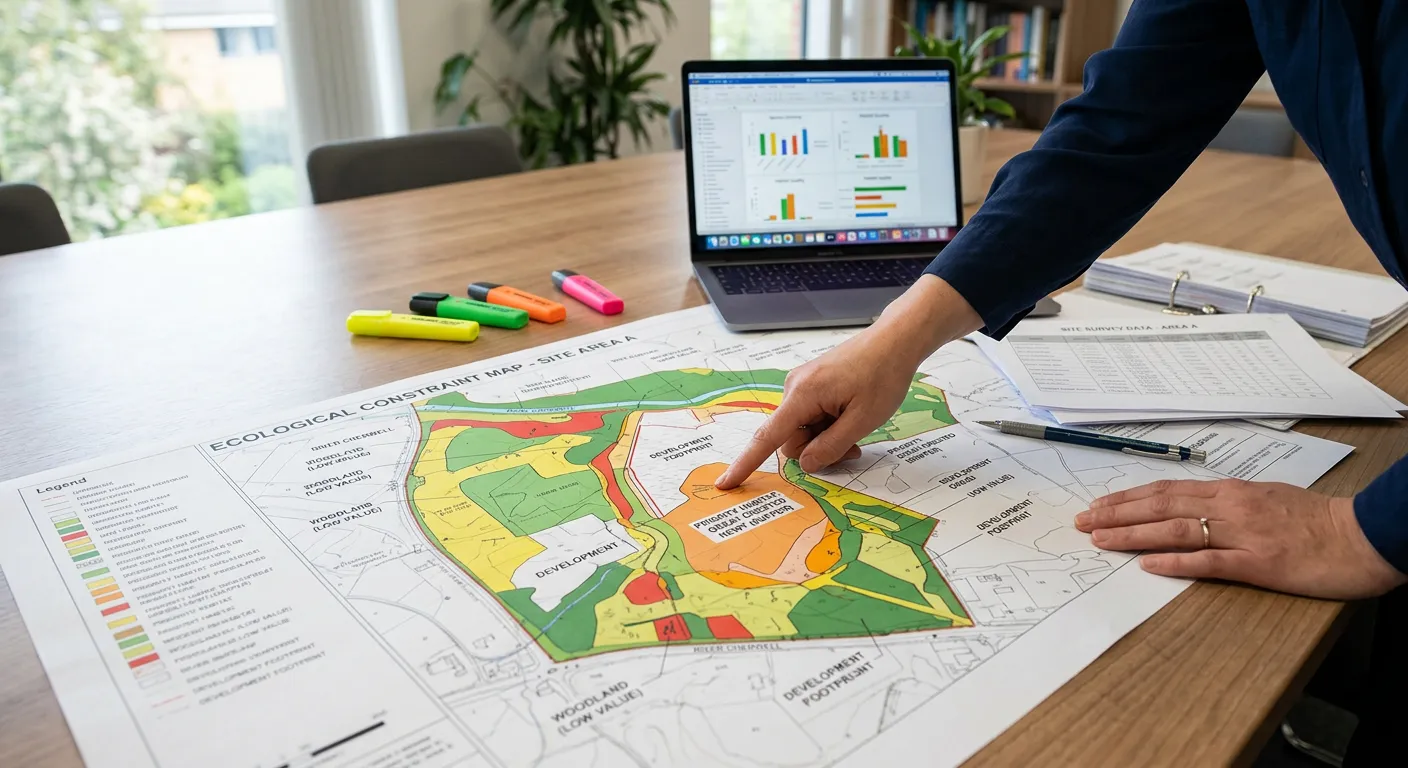
We collate the habitat and species data for your site (from the earlier appraisal + any additional targeted surveys) and define the site's ecological context - what important habitats, species or ecosystems are present and potentially at risk.
Impact Prediction & Significance Assessment
We analyse how your proposal might affect each of the ecological features (during construction, operation and beyond), including direct, indirect, cumulative and residual impacts. We assess the magnitude, duration, likelihood and reversibility of those effects and then interpret how ecologically significant they are (given the value of the feature and the sensitivity to change).
Mitigation, Compensation & Enhancement
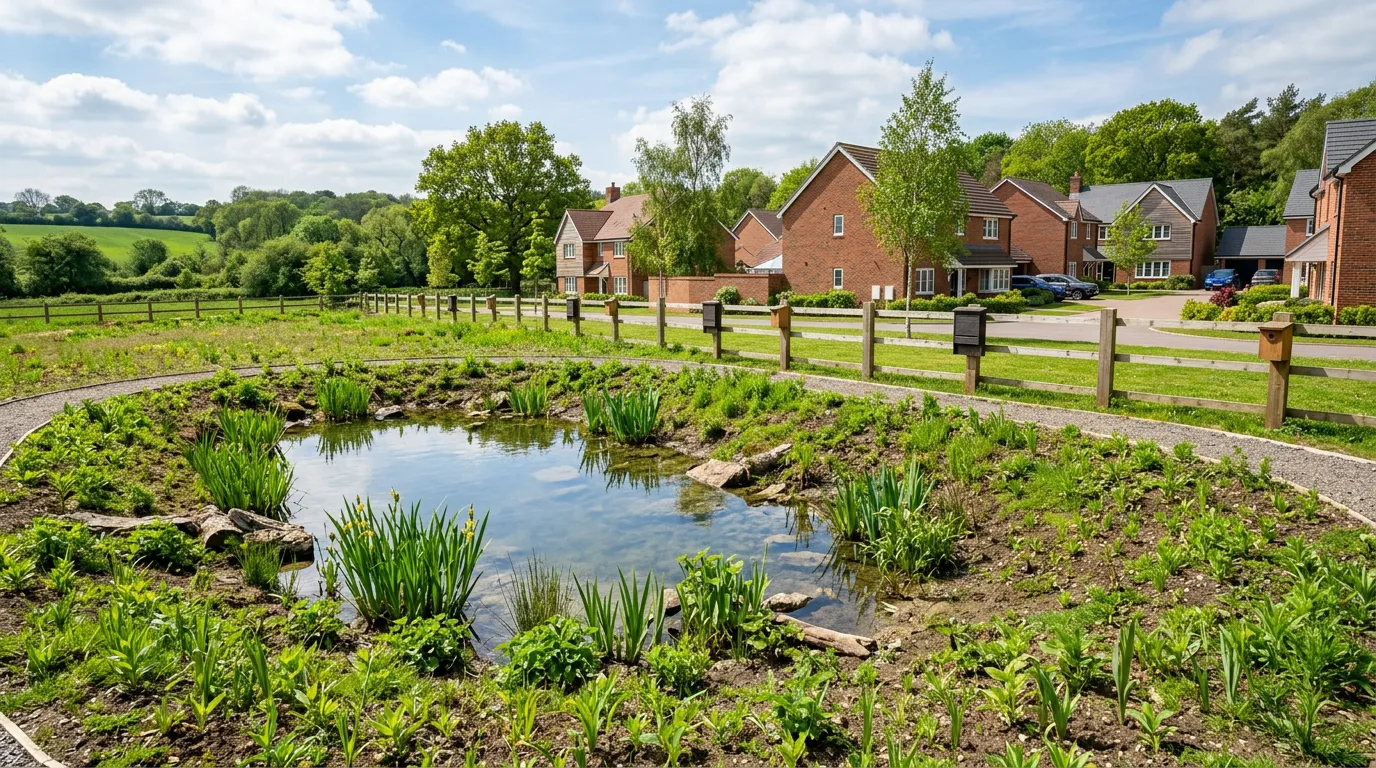
For any identified adverse effects, we set out how to avoid or mitigate them, what steps might be needed to compensate for unavoidable losses, and how opportunities for ecological improvement or biodiversity gain might be incorporated (enhancement). These measures are integrated into your project design and schedule.
Residual Effect Evaluation
After mitigation measures are applied, we re-assess the remaining (residual) impacts to determine what is likely still to occur. The EcIA report summarises all findings with clear recommendations, such that planning authorities, your design/engineering team and you have the information you need.
Integration with Planning & Consenting
Often the EcIA forms the ecology chapter of an Environmental Impact Assessment Regulations 2017 submission (if the project falls within EIA requirements), or supports a planning application for a smaller development. It provides the ecological evidence needed to satisfy local planning authorities and statutory nature conservation bodies.
Why You Might Need an EcIA
- Planning requirements: Many planning applications require robust ecological evidence so that the local planning authority can assess impacts on biodiversity. Without it, you may face delays, additional conditions or refusal.
- Understanding risk early: When initial surveys (e.g. a PEA) indicate there are sensitive habitats, species or ecological designations nearby, an EcIA helps you understand risk early, which means you can design around ecological constraints and avoid surprises.
- Efficient decision making: By assessing impacts early in the project timeline you can incorporate ecological mitigation/enhancement into the design, reducing redesign costs or post-planning complications.
- Demonstrating responsibility: It demonstrates to investors, stakeholders and the community that you are taking biodiversity responsibilities seriously - which is increasingly important in today's regulatory and corporate environment.
When is an EcIA Appropriate?
- When the site or project may impact habitats or species of conservation concern or is near a protected site.
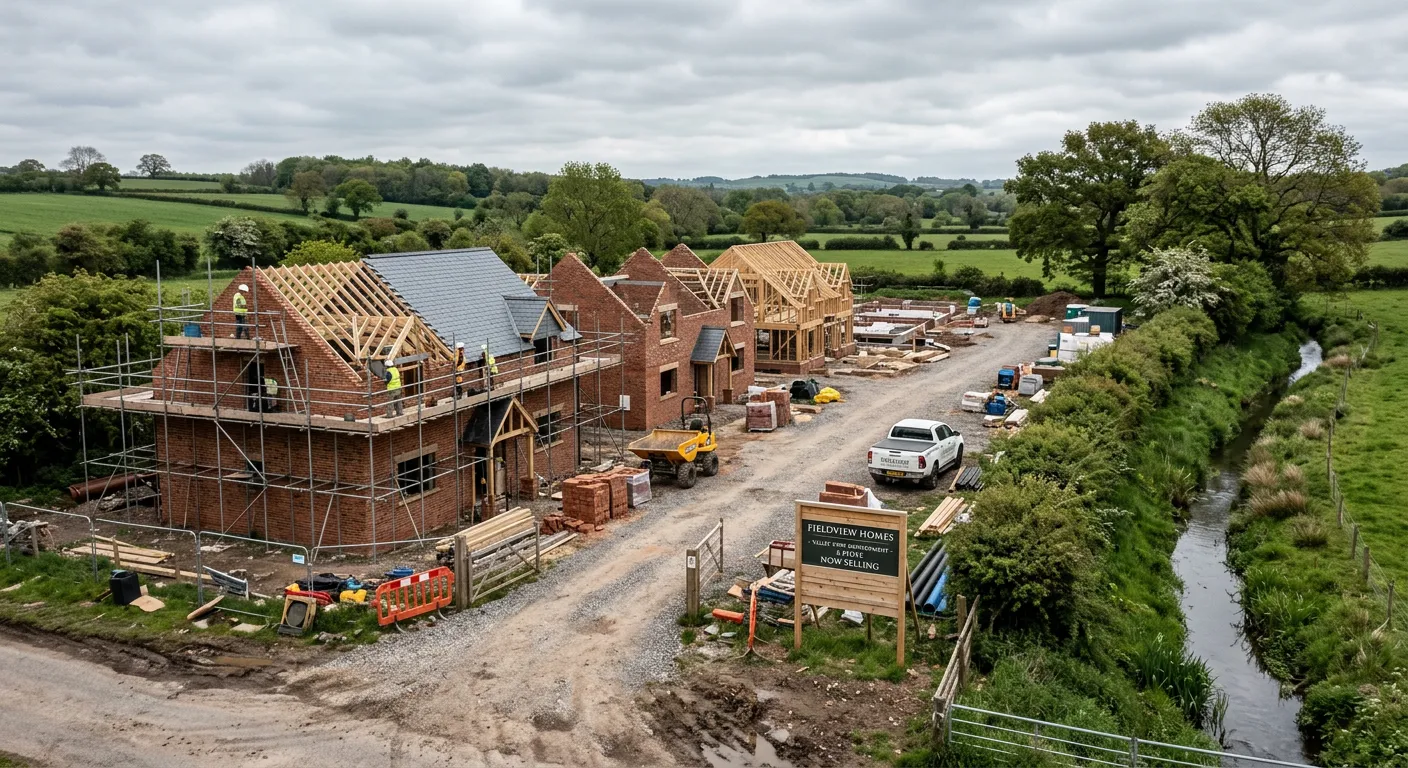
- When the scale or nature of the development is such that significant ecological effects are likely (for example large housing estates, infrastructure, renewable energy, modifications to watercourses), or where the planning authority requests an EcIA.
- Even for smaller scale developments, if sensitive ecological features are present, an EcIA may be the appropriate level of assessment.
What Our EcIA Service Includes
- Review of existing ecological data and site context
- Comprehensive survey data (if required) including habitats, species of concern, ecological constraints
- Assessment of ecological baseline value and significance of ecological features
- Prediction and evaluation of ecological impacts (construction, operation, cumulative)
- Detailed mitigation, compensation and enhancement proposals
- Assessment of residual impacts
- Preparation of a clear, professional EcIA report (or ecology chapter for EIA) suitable for submission to planning authority
- Liaison with your project design team to embed ecological measures and support planning/consent process
The Benefits to You
Early Clarity
Provides clarity early in the project on ecological constraints and opportunities, so you can design accordingly and avoid costly changes later.
Stronger Applications
Strengthens planning applications with professional evidence, improving chances of approval and reducing risk of objections or delays.
Ecological Responsibility
Demonstrates ecological responsibility, supporting your company's reputation, ESG commitments and compliance requirements.
Confident Planning
Helps you confidently plan project timelines and budgets by incorporating ecology and mitigation measures from the start.