Preliminary Ecological Appraisal (PEA)
The essential first step in understanding your site's ecological character and planning your development with confidence.
What This Service Involves
A Preliminary Ecological Appraisal (PEA) is the first step in understanding the ecological character of a site and how any proposed development or change might affect it. Here's how the process typically works:
Our PEA Process
Desk Study
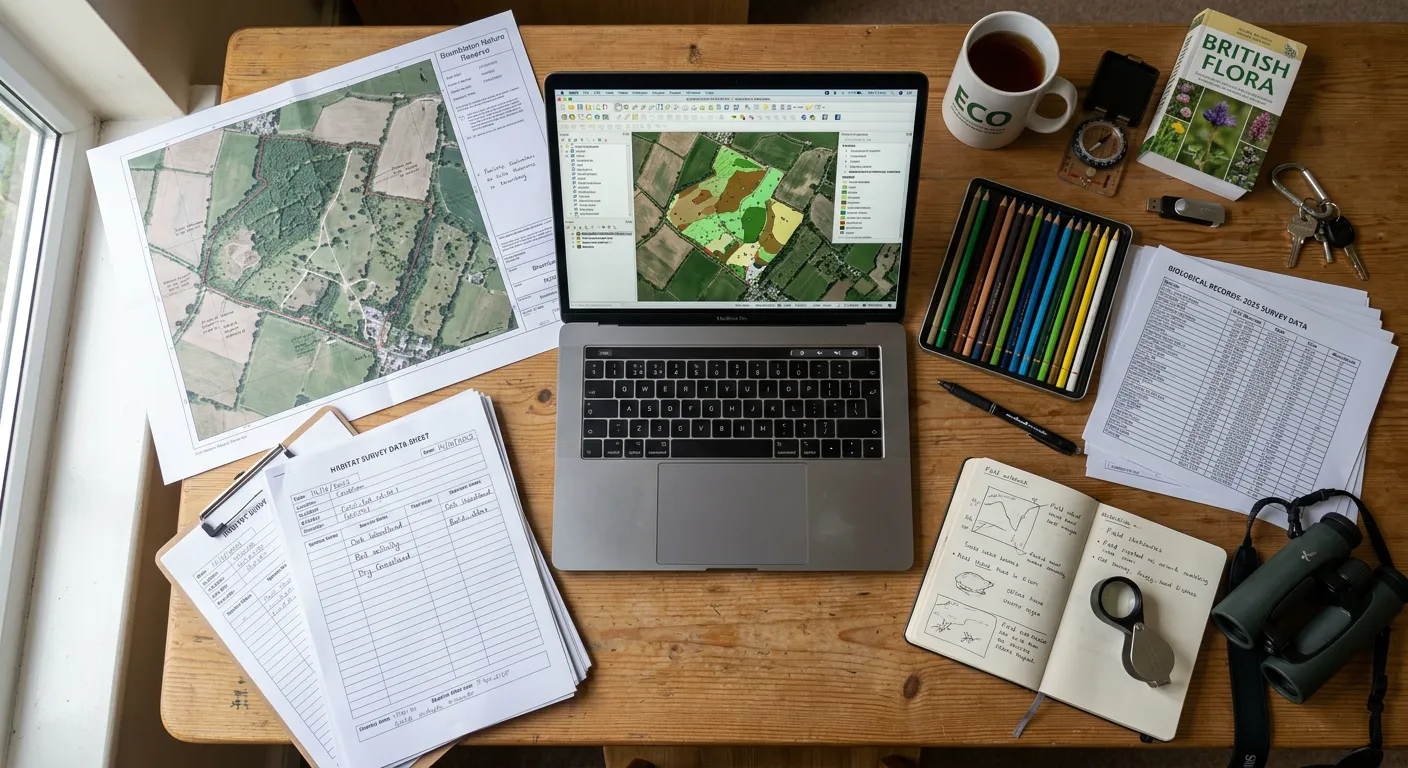
We gather existing ecological information for the site and surrounding area. This includes local biological records, statutory designations, habitat maps, aerial/satellite imagery and any previous ecological reports.
Site Walk-over / Habitat Survey
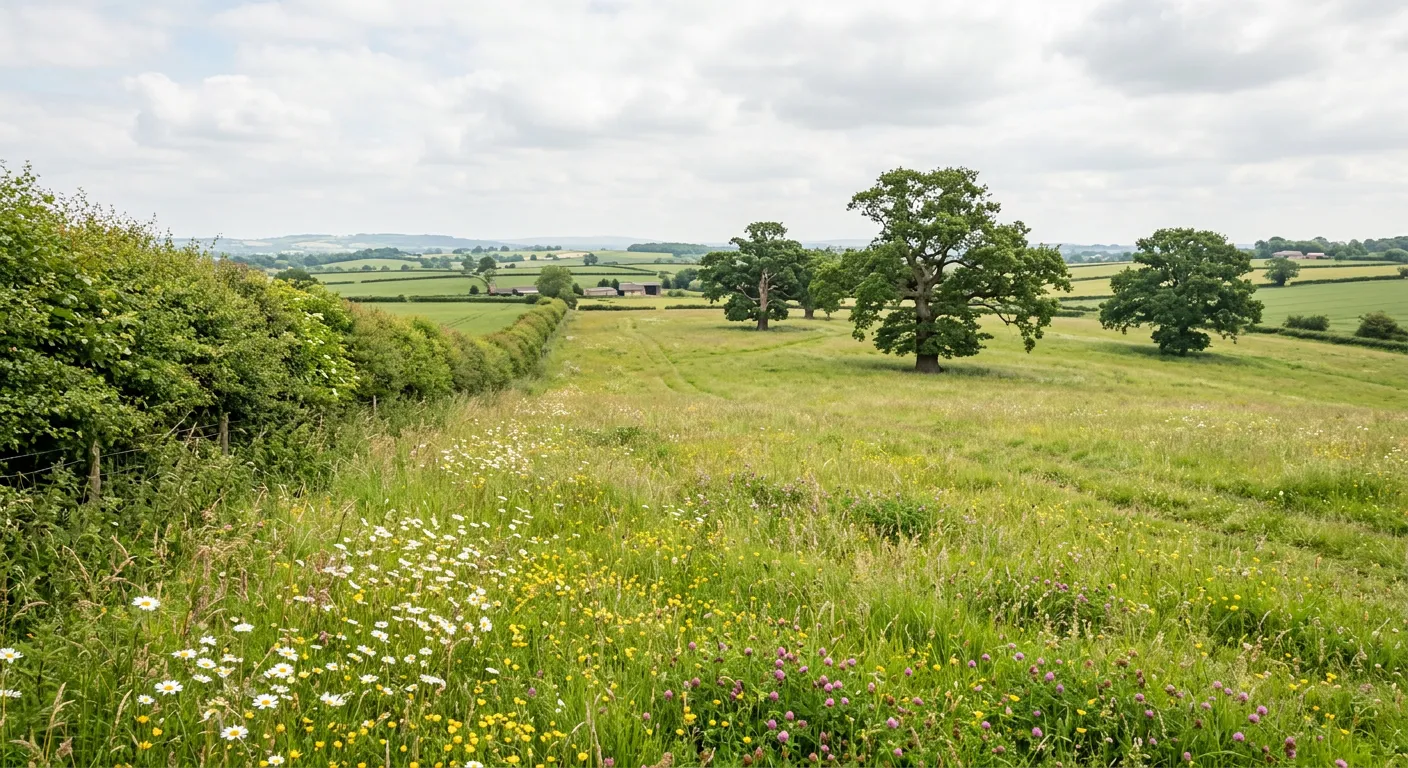
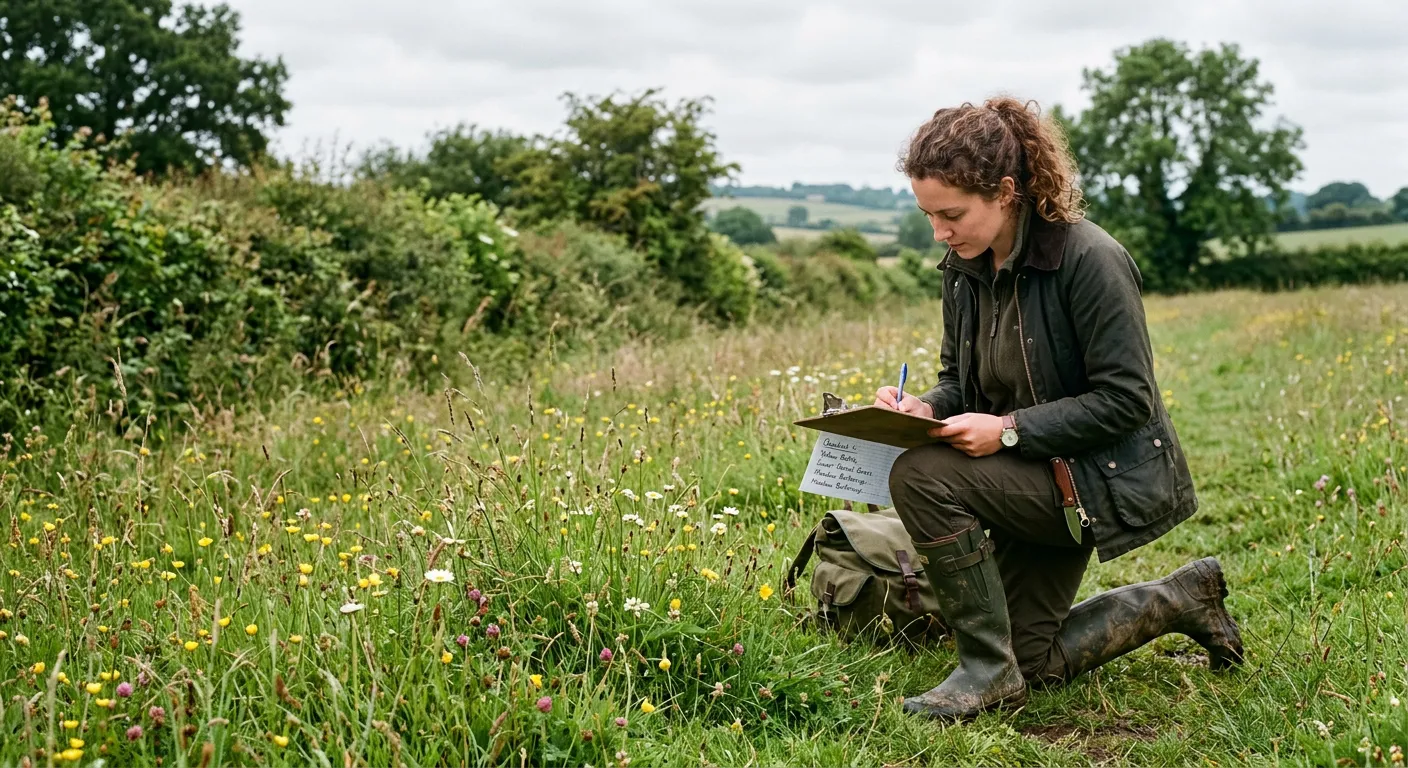
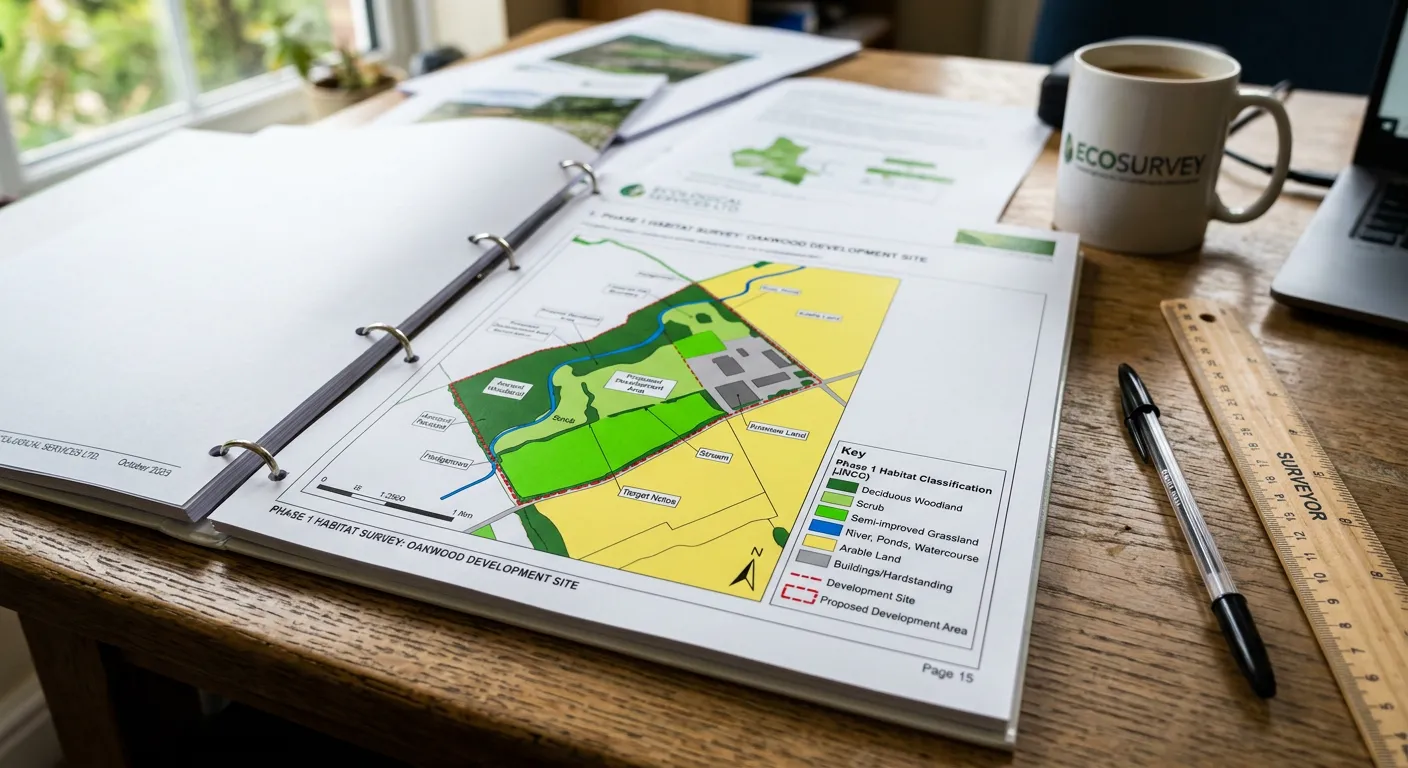
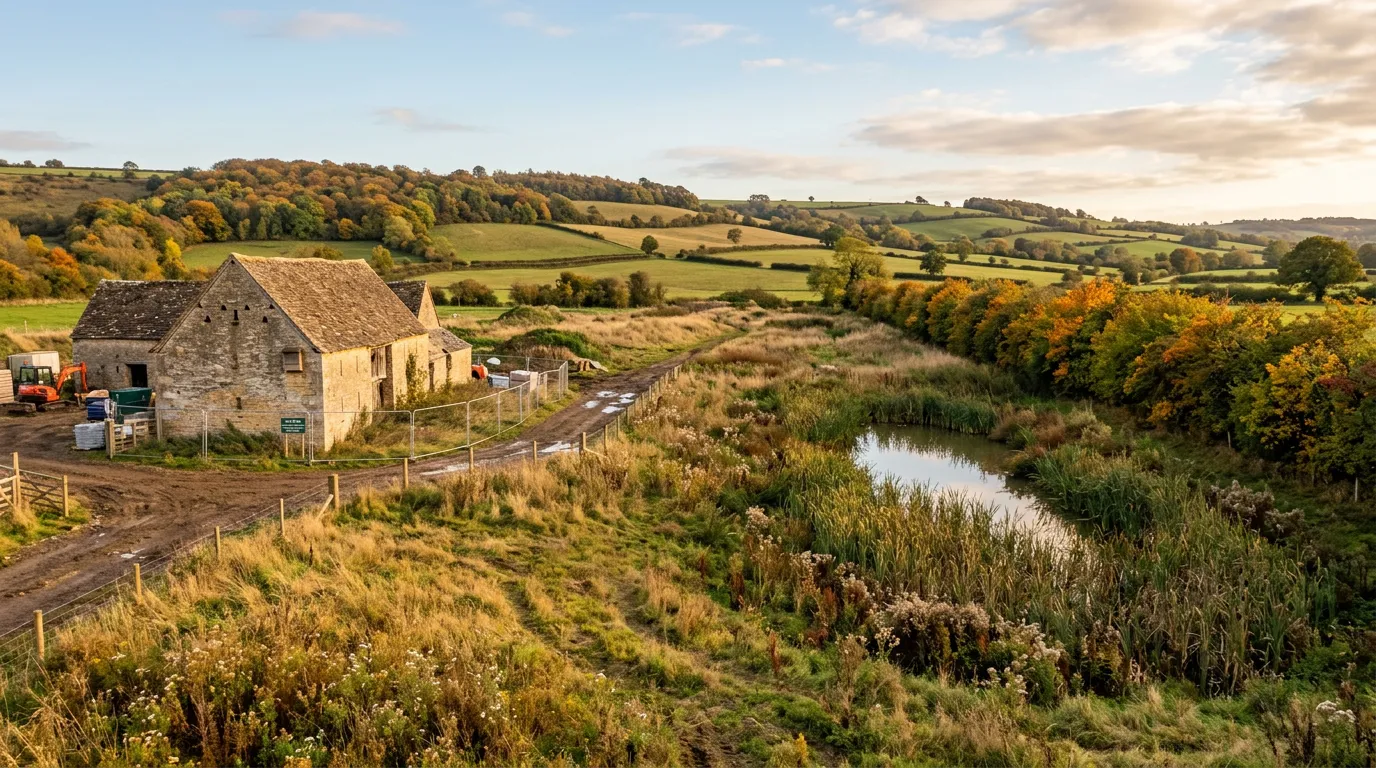
A qualified ecologist visits the site to map habitats (using Phase 1 or UKHab classification), note species presence or potential and identify features of ecological interest (e.g., hedgerows, watercourses, woodland, old buildings).
Assessment of Ecological Constraints & Opportunities
We evaluate whether the habitats or species present might impact your development proposals, whether further surveys (for protected or priority species) are needed, and where mitigation or enhancements may be required.
Report and Recommendations
You receive a clear, well-structured report summarising the findings, identifying constraints, providing professional guidance on how to avoid or minimise ecological impacts, and advising on next-steps (additional surveys if needed, timing, design adjustments, enhancement opportunities). The report includes survey methodology, habitat mapping, and links to relevant legislation and planning policy.
Why You Might Need a PEA
- Planning compliance: The planning system expects your project to consider ecological matters from the start. A PEA gives you the evidence you need to move ahead confidently and helps avoid delays later.
- Early risk identification: It identifies potential ecological risks early (such as presence of protected species, or important habitats) so you can adapt your design or programme accordingly before costs escalate.
- Planning application support: It supports your planning application or land-use change by providing a robust baseline ecological survey. Local planning authorities often require such information.
- Enhancement opportunities: It helps you identify opportunities for ecological enhancements, for example, creating better habitat, improving biodiversity, and aligning with policy ambitions (such as biodiversity net gain).
When Should You Commission a PEA?
- As early as possible in the project planning process. Ideally before finalising design or land purchase, so that ecological issues are considered from day one.
- Even in off-peak seasons you can do a PEA, but you may find some limitations (for example certain species surveys have restricted windows).
- If you already know your site has potential ecological sensitivity (old buildings, existing vegetation, water features, adjacent nature reserves or protected sites) then a PEA is especially recommended.
What Our PEA Service Includes
- Professional ecologist visit and habitat mapping
- Desk review of ecological records and designated sites
- Assessment of the site's potential to support protected or priority species
- Clear report with methodology, findings, habitat map/photos, constraints and recommendations
- Guidance on further surveys (if needed) and timing / cost implications
Legislation & Policy We Work To
We carry out all work in line with relevant UK legislation, guidance and planning policy, for example:
- The Wildlife and Countryside Act 1981
- The Conservation of Habitats and Species Regulations 2017 (as amended)
- The Natural Environment and Rural Communities Act 2006
- Chartered Institute of Ecology & Environmental Management (CIEEM) professional standards and survey guidance
- Local planning policy requirements for biodiversity and nature-conservation matters
- In England: the mandatory biodiversity net gain requirement under the Environment Act 2021 (where applicable)
The Benefits to You
Clarity on Constraints
Gives you clarity on ecological constraints early, avoiding surprise costs or planning delays.
Minimised Risk
Helps you plan your design and build programme with ecological input, minimising risk.
Stronger Applications
Provides documentation that planning authorities respect, strengthening your application.
Biodiversity Commitment
Allows you to demonstrate commitment to biodiversity, enhancing your project's reputation.
Enhancement Opportunities
Opens up opportunities for positive ecological enhancement or net gain, rather than simply mitigation.